
May is Women's Health Month and Maternal Mental Health Awareness Month making this the perfect opportunity to highlight the importance of moms and their mental well-being.
While pregnancy is often portrayed as a happy and exciting time, it can also bring about mixed emotions and uncertainty. It's important to recognize that women's mental health is just as important as their physical health during pregnancy and beyond. According to WebMd, approximately 20% of women experience some form of anxiety or depression during their pregnancy.
“Feeling some stress after welcoming a new baby may be normal,” said Marisa Grimm, Associate Director of Connecting New Jersey. “Your body has gone through a significant event, your hormones are rapidly changing, and your entire life and family dynamics have shifted! However, it’s always best to seek professional help when these feelings arise. You don’t need to know whether it’s normal or postpartum depression/anxiety, but you do need to know that it’s okay to ask for guidance from a professional.”
During pregnancy and up to 12 weeks postpartum, women may experience a range of difficulties, including feelings of sadness, guilt, or hopelessness, changes in appetite or sleep patterns, and difficulty bonding with the baby. These feelings can be caused by a variety of factors, including hormonal changes, physical discomfort, and worries about the future.
Impact of Pregnancy on Young Mothers
It's also important to recognize that pregnancy can even be more stressful and challenging for teenagers and young people who may not have the same level of support and resources as older adults.
Teenage pregnancy is associated with an increased risk of depression and other mental health issues. Teenagers who become pregnant may face a variety of challenges, including social isolation, financial difficulties, and stigma. These challenges can have a significant impact on their mental health and wellbeing. If you want to support a new mom who may be struggling, try giving her opportunities to rest and participate in self care.
“Sometimes just being present, providing a simple meal, holding baby, or taking care of things around the house makes a huge difference,” said Christina Reiss, Director of Infant and Early Childhood Health. “Give Mom space to share how she’s feeling without judgment and seek education on ways to support her through this time.”
Impacts of Maternal Health on the Newborn
A mother's mental health can also have a significant impact on her baby's development, both during pregnancy and after birth. Stress hormones can affect the developing fetus and may lead to outcomes such as low birth weight, preterm birth, and developmental delays. After giving birth, a mother's mental health is still a priority. Postpartum depression can affect the bonding time between mom and baby. Evidence suggests that persistent and severe postpartum depression can increase the risk of adverse outcomes in a child's emotional and social development.

How Can I Maintain Good Mental Health as a Mother?
Motherhood can be both rewarding and challenging, and it can have a significant impact on a mother's mental health. It's important for mothers to prioritize their mental health and seek support when needed.
Practice self-care. It's essential to take care of yourself physically, emotionally, and mentally. This includes getting enough sleep, eating a healthy diet, and engaging in activities that make you feel happy and fulfilled.
Seek support. Don't be afraid to ask for help when you need it. This can include reaching out to family and friends, joining a support group, or speaking to a mental health professional. Keep your channels of communication alive and dynamic.
Manage stress. Motherhood can be stressful, so it's important to find healthy ways to manage stress. This can include exercise, mindfulness, deep breathing, or taking a break when needed.
Set realistic expectations. It's easy to put pressure on yourself to be the perfect mother, but it's important to remember that no one is perfect. Set realistic expectations for yourself and don't compare yourself to others.
Take breaks. It's important to take breaks and give yourself time to recharge. This can include taking a nap, going for a walk, or doing something you enjoy.
Plan for Postpartum Wellness. Try making a list of things you may need help with or a postpartum plan prior to your baby’s arrival to establish your priorities beforehand.
How Can I Support the New Moms in My Life?
As a family member or friend of a new mom, there are many ways you can offer support to make this new journey a little easier and smoother. Reiss and Grimm listed the following as options:
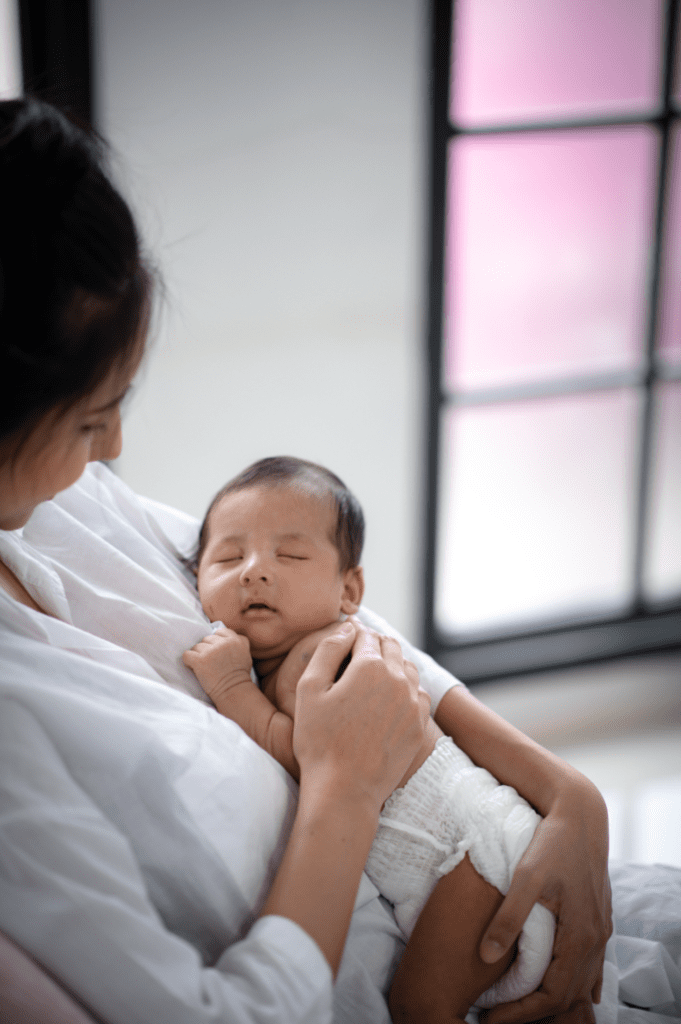
Be present. Check in regularly, be a listening ear, and validate what Mom is feeling.
Offer practical support. Help change the baby’s diaper, assist with feeding if possible, prepare meals, folding clothes, etc.
Provide emotional support. Give Mom space to share how she’s feeling without judgment and seek education on ways to support her through this time.
Encourage mom to seek professional support if needed. Sharing resources, sitting with her when she calls, and offering to talk through any feelings or emotions she may have.
Remember that taking care of your mental health is essential for being the best mother you can be. If you're struggling with your mental health, don't hesitate to seek help. There is no shame in reaching out for support, and it can make a world of difference for both you and your family.
Frequently Asked Questions
Acenda offers maternal health services throughout New Jersey.
“Anyone who is currently expecting, or has a child under 18, can contact their county’s Connecting NJ hub,” said Marisa Grimm, Acenda’s Associate Director of Connecting New Jersey. “Connecting NJ will serve as the bridge to connect you to various resources including but not limited to: lactation support, WIC, local mom groups, and both short-term or long-term home visiting programs designed to support ALL families.”
There are many coping mechanism new moms can practice to better support and maintain their mental health outside of seeking professional services. Acenda’s experts, Christina Reiss (Direcotr of Infant & Childhood Health) and Marisa Grimm (Associate Director of Connecting New Jersey), shared the following:
- Deep breathing exercises
- Joining an online Mom group or virtual support group
- Planning to rest when the baby rests (when possible)
- Give yourself grace
- Delegate tasks to loved ones offering to help
- Seek professional help when needed!
“Ask Mom what she needs, and always give her a heads up before heading to the house,” said Christina Reiss, the Director of Infant & Early Childhood Health at Acenda. “Offer to do some laundry (even if you take it home with you), dishes, or even to hold the baby while she naps! Let her be the expert on what she needs and how you can help!”
To connect with a nurse or a member of our parent support team, please call Connecting NJ at 856-431-4180 or visit our New & Expectant Parents program page.
About the Authors
Marisa Grimm is the Associate Director of Connecting New Jersey and has been with Acenda since 2019 when she started as a home visitor for the Parents As Teachers program. She currently oversees all services provided by Connecting NJ, including Resource Connections, Case Management, Early Childhood Development, and the Community Alignment Specialists of Family Connects NJ. Reiss has dedicated her career to serving parents, children, and families throughout every stage of their lives.
Christina Reiss is the Director of Infant & Early Childhood Health and has been with Acenda for over 13 years. Reiss earned her bachelor's in social work, and then shortly thereafter began her career engaging and empowering families and enhancing communities. She has several years of experience in community engagement through New Jersey's network of Family Success Centers and started her work in Maternal Health 6 years ago. Reiss aims to make pregnancy safer and healthier for all moms in the state of New Jersey, and to strengthen programs that provide support to all expecting and parenting families.
Riley de Jong, the content & engagement strategist with Acenda’s Brand, Marketing & Engagement team, attended the University of California – Los Angeles for her undergraduate degree in Communication and minor in Entrepreneurship. She enjoys supporting her community, telling engaging stories, and connecting with others.