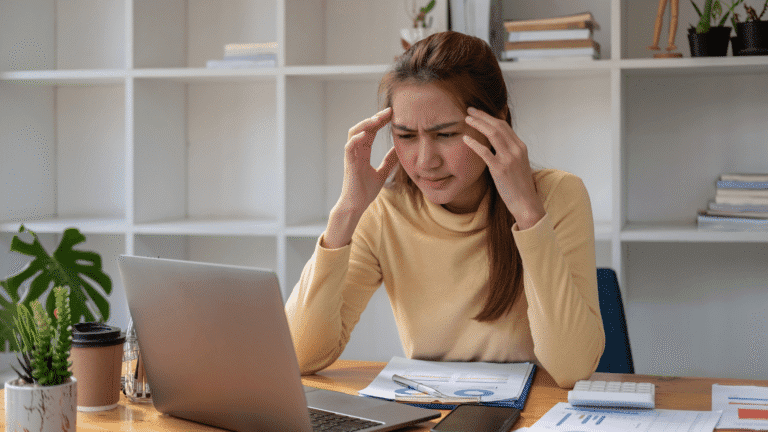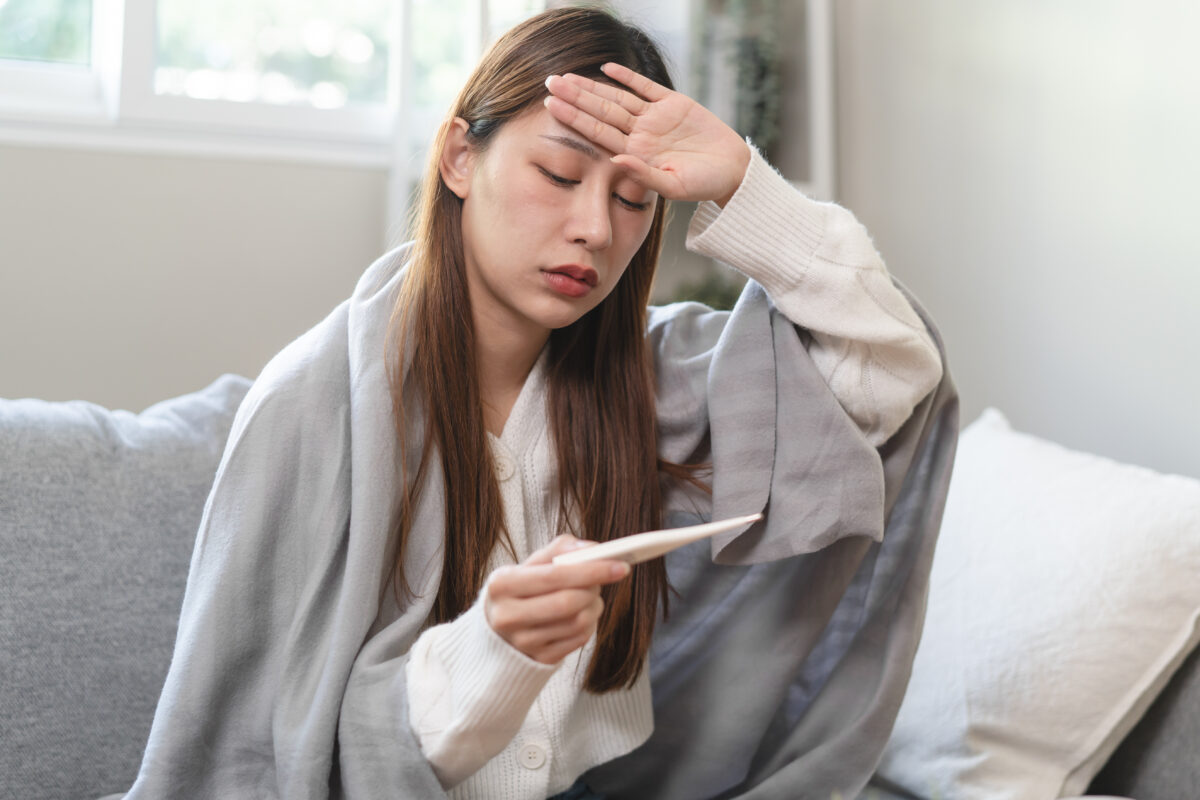
No one likes being sick. A stuffy nose, a sour stomach — illnesses can really throw a wrench in your plans. Being health conscious and doing what you can to maintain a healthy lifestyle is important. However, sometimes that awareness can turn into health anxiety, negatively affecting your day-to-day life.
Google searches pertaining to health anxiety have skyrocketed over the past five years. Constant access to platforms like Web M.D. and Healthline have created direct access to a rabbit hole of diagnoses.
“The world of constant access via technology has been both a blessing and curse which can be notably exacerbated in those who suffer from anxiety,” said Tracey Huggins, BSN, RN, a nurse with Acenda’s Nurse-Family Partnership program. “Tendencies to scroll for hours looking at negative possibilities can add layers to the weight of existing anxiety. It can also create an algorithm that draws users into a worm hole of information that may or may not be accurate.”
To learn more and take hold of your health anxiety, continue reading to hear more from Huggins.
What is health anxiety and how does it differ from a reasonable fear of illness?
Everyone should harbor a reasonable resistance to getting sick. No one wants to feel poorly or risk the health of those around them. However, a problem arises when that fear turns into a disruptive mindset or cycle that derails your day-to-day life.
Huggins said, “Health anxiety is exactly what it sounds like: a worry-driven focus on one’s health (or that of someone they are connected to) that can have a collateral impact on one’s daily life.”
It is important to acknowledge the difference between a reasonable fear of illness and health anxiety so you are able acknowledge and address it in the future. For more information on the symptoms of health anxiety and information on managing it, continue reading.
Symptoms of Health Anxiety
According to the Mayo Clinic, there are a variety of symptoms associated with health anxiety, including:
- Preoccupation with having or getting a serious disease or health condition
- Worrying that minor symptoms mean you have a serious illness
- Finding little or no reassurance from doctor visits or negative test results
- Being easily alarmed about your health status
- Difficulty functioning due to your distress
- Avoiding people, places or activities for fear of health risks
- Constant thoughts, discussion or online searches about your health
In addition to the symptoms above, it is also possible to develop physical symptoms related to your health anxiety. This can include making yourself feel sick due to your anxiety, or developing symptoms related to the illness you have hyperfixated on.
“The body, as a fully connected organ, can develop DNA changes in response to high levels of long-term exposure to anxiety-related hormonal levels in the body," Huggins said.

How can I manage my health anxiety?
Many people with health anxiety struggle to find a balance between being conscious of their health without spiraling and allowing themselves to become overwhelmed. It is important to connect with a doctor or counselor that you trust so you are able to receive their feedback and expertise with an open mind.
“Build a relationship with the practitioner that serves you so your level of trust and comfort can be fortified,” Huggins said. “Consider connecting with a support group and/or seeking professional help if you need further support.”
If you find yourself feeling overwhelmed by your health anxiety, Huggins recommends utilizing intentional, controlled breathing exercises to soothe yourself. By increasing your awareness of yourself and your surroundings, you can help to ground your mind and calm your anxieties.
“Noticing what is happening in the body and in the mind can be a developed skill that helps you feel more in control and better able to slow your heart rate, regulate breathing and regulate yourself,” Huggins said.
While coping mechanisms, like deep breathing practices, are helpful for resolving anxiety in the moment, it can be a good idea to seek professional help from a licensed counselor or therapist for further healing. Understanding the root of your anxieties and stressors can help you better alleviate them and move forward.
“It is quite likely that someone with health anxiety has experienced other anxieties in the past,” Huggins said. “Keeping this in mind, early connection with professionals is encouraged. There is no shame in seeking help; in fact, it’s a sign of strength!”
Moving Forward
While health anxiety can feel debilitating in the moment, there is always help available to help you break your cycle and establish a more positive, health mindset. Addressing your negative fixations as early as possible and finding a counselor or therapist who can help you to alleviate your fears is critical to getting yourself back on track.
For more information on accessing professional support in your journey, head over to Acenda’s Get Care page. Our therapists and counselors are here to help you every step of the way.
Yes, health anxiety can cause physical symptoms, often replicating the illness you are worrying about. According to Tracey Huggins, BSN, RN, the program supervisor of the Nurse-Family Partnership program at Acenda, ““The body, as a fully connected organ, can develop DNA changes in response to high levels of long-term exposure to anxiety-related hormonal levels in the body.”
Tracey Huggins, BSN, RN, the program supervisor of the Nurse-Family Partnership program, offered the following advise for managing your health anxiety:
- building a trusting relationship with your doctor
- practice intentional, controlled breathing exercises
- increase your awareness of yourself and your surroundings to ground your mind
- reach out to a licensed professional for support
If you feel overwhelmed by your worries about your health and it is affecting your day to day life, it may be time to seek guidance from a professional. Acenda has resources, including the Counseling & Wellness Center, where you can find support from licensed therapists and counselors.
Health anxiety can affect anyone, from children to the elderly. To gain a better understanding of your health anxiety at any age, speaking to a licensed professional therapist can help.
Visit Acenda's Get Care page today to begin your journey toward care.
About the Authors
Tracey Huggins, BSN, RN, the program supervisor of the Nurse-Family Partnership program at Acenda, has been with the agency since 2024. She also serves as a national facilitator and consultant specializing in community engagement & restorative culture. In 2026, she was recognized as the March of Dimes’ Nurse of the Year for the meaningful impact she has made on the families she works with. Huggins will be completing her MSN in August 2026, with a concentration in health education.
Riley de Jong, the content & engagement strategist with Acenda’s Brand, Marketing & Engagement team, attended the University of California – Los Angeles for her undergraduate degree in Communication and minor in Entrepreneurship. She enjoys supporting her community, telling engaging stories, and connecting with others.