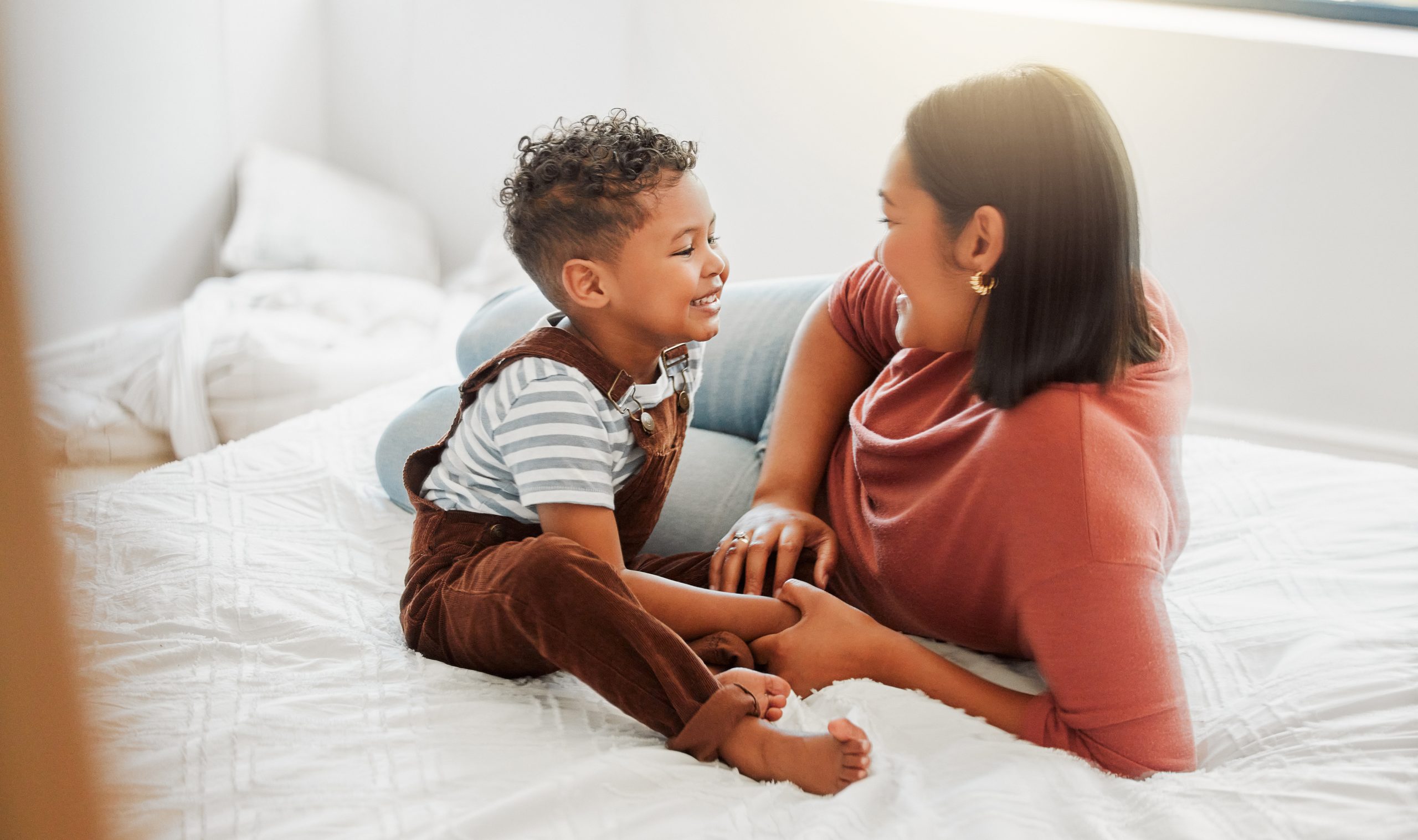
All parents want their children to be able to successfully, effectively communicate their emotions, especially when they are outside of the home. Learning to understand and manage your emotions as a child is critical in the development of your ability to interact and get along with others. This type of education is called Social and Emotional Learning (SEL) and it can be fostered in and out of the home.
In conversation with Bruce Cooper, BS, a prevention consultant with Acenda, we learned why Social and Emotional Learning is so important, how you can foster SEL skills at home, and when to reach out for professional help.
What is Social Emotional Learning?
Social and Emotional Learning (SEL) is defined by the Collaborative for Academic, Social, and Emotional Learning (CASEL) as, “the process [of acquiring] and [applying] the knowledge, skills, and attitudes to develop healthy identities, manage emotions and achieve personal and collective goals, feel and show empathy for others, establish and maintain supportive relationships, and make responsible and caring decisions.”
Essentially, SEL encapsulates the skills a child needs to interact positively, effectively, and in a healthy way with others and their environment. These skills can be taught by modeling them for children in everyday life and through guidance and structure that helps the child to build their understanding of healthy behaviors and reactions. Cooper explained that the skills taught through SEL are critical because they set the foundation for how children will interact with others moving forward, leading to more productive, empathetic, and responsible decisions, reactions, and relationships.
“In my experience as a clinician, SEL fosters self awareness, self-management, social awareness, relationship skills, and responsible decision making, all skills that relate to the future success of the child,” Cooper wrote.
Fostering Social Emotional Learning
Children can be taught SEL through their school, community organizations, and at home. Each of these places plays a role in teaching your child how to behave around and interact with others. While you may not be able to control what your child observes at school or in the community, you can always foster SEL skills within your home. Cooper recommends doing the following:
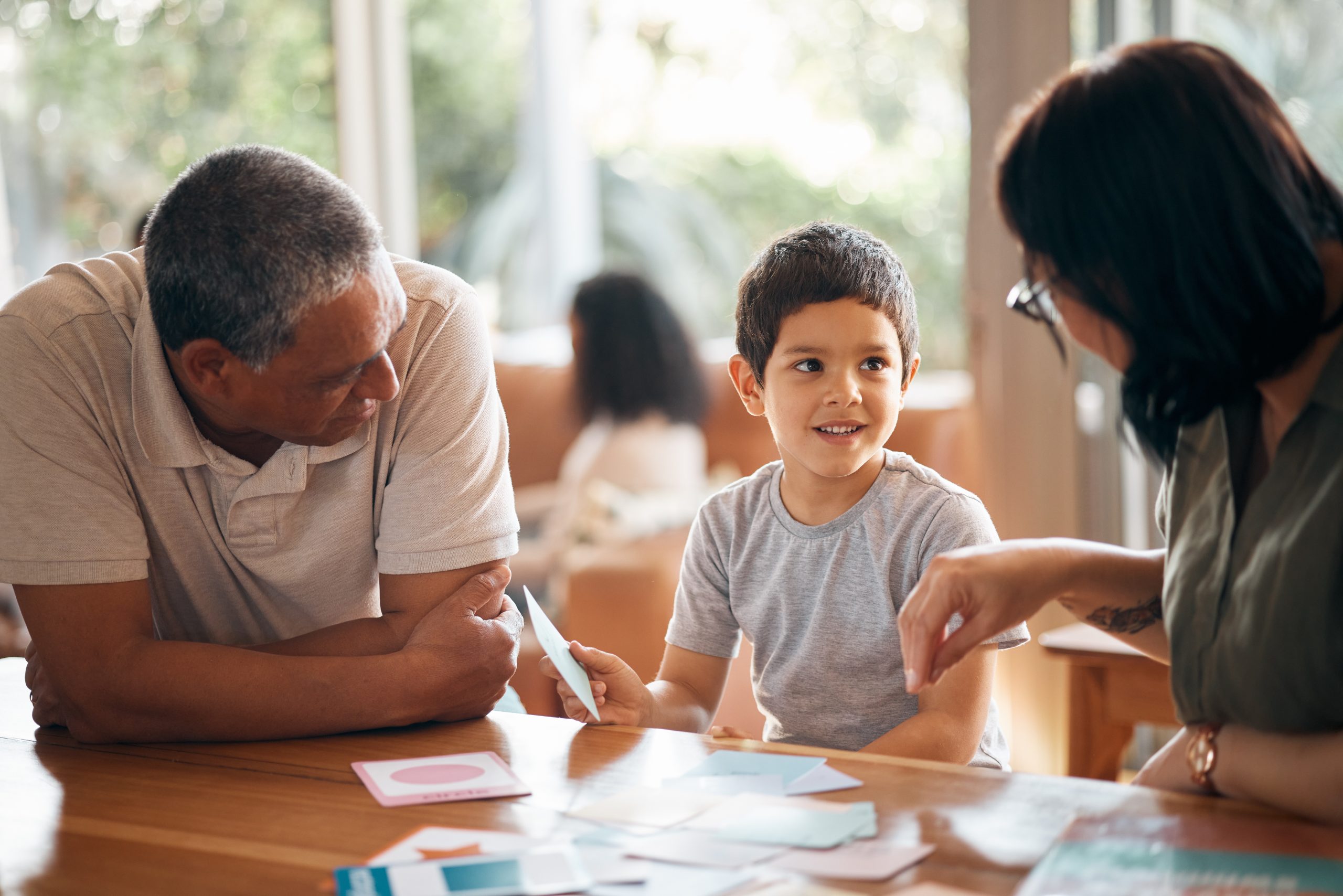
Encourage and Engage: This practice involves encouraging students to speak up and engaging them in discussion to develop their social and emotional skills. By giving children the opportunity to voice their opinion, and further engaging them in conversation about their beliefs, you can prevent students from shutting down because they feel disinterested or limited in their knowledge.
Model Healthy Behavior: By presenting healthy behaviors for your child, you are offering them an example of how they should behave in similar situations.
Provide Structure: Raising your child in a home with structured time and rules about appropriate behavior is crucial to encouraging the same behavior and attitude outside of the home. For example, if you have a rule that your children have to share toys with their siblings, they are more likely to share toys with other children out in their community.
“By modeling calm, healthy behavior, validating feelings without judgement, and giving consistent and nurturing structure, you can help your child understand that the environment is safe and not condemning,” Cooper wrote.
When should I reach out for professional support?
While you can provide SEL guidance at home, sometimes professional support can be helpful in reinstating those lessons outside the home with another trustworthy adult.
“Caregivers should consider reaching out to a professional when working in an area of SEL that seems to be a block for a child,” Cooper recommends. “Instead of insisting on the changes or immediate transformation, understand that all SEL outcomes are not considered equal; some areas will have faster rates of implementation than others.”
Utilizing a professional can help your child to feel well-rounded support without pressure from family to feel or behave a certain way. If you are interested in looking for professional help in implementing Social and Emotional Learning, check out Acenda’s programs for children and adolescents.
Call Acenda’s Access Center (844-422-3632) or click the button below to learn more about the programs that can support you and your child.
About the Authors
Bruce Cooper, BS, is a prevention consultant with New Jersey Statewide Student Support Services (NJ4S) in the counties of Atlantic and Cape May. With more than a decade of experience in behavioral health, Cooper began working at Acenda in 2023, following a career in law enforcement and the United States Navy. Outside of Acenda, he works as a personal trainer and holistic health practitioner.
Riley de Jong, the content & engagement strategist with Acenda’s Brand, Marketing & Engagement team, attended the University of California – Los Angeles for her undergraduate degree in Communication and minor in Entrepreneurship. She enjoys supporting her community, telling engaging stories, and connecting with others.
Sources
Fundamentals of SEL - Collaborative for Academic, Social, and Emotional Learning (CASEL)