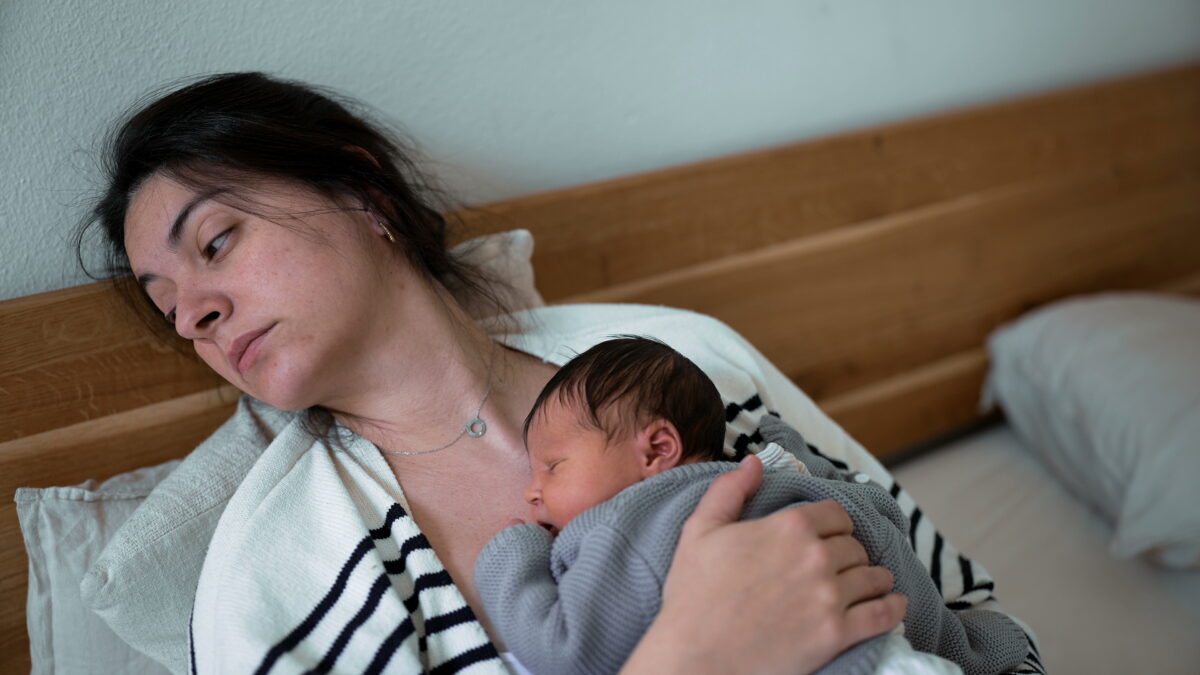
As a new mom or birthing parent, it is common to experience social isolation in the months following your child’s birth. Your newfound responsibilities and tasks related to your baby can feel all consuming and overwhelming. While it may seem difficult to make time for your friendships as you readjust to daily life, it’s critical to your wellbeing and mental health to stay in touch with loved ones even in your child’s infancy.
“Many new mothers feel an unspoken pressure to manage everything on their own, only to quickly realize how demanding the transition into motherhood can be,” said Dr. Monica Lallo, Acenda’s Senior Vice President of Prevention, Youth and Education Services. “As a result, they may begin to withdraw, oftentimes hesitating to ask for help and refusing to share how they are truly feeling, leading to reduced social interaction. These new mothers spend long periods focusing on caring for their infant, which can lead to feelings of loneliness and disconnection from their support systems.”
With the guidance of Dr. Lallo and Nina Fedoryka, LCSW, an outpatient therapist for Acenda’s Counseling and Wellness Center, we are here to support new parents and their communities in learning about social isolation, rebuilding relationships and when to seek help from a professional.
Why do new moms experience social isolation?
Giving birth is a life-changing experience. With all the time spent at home getting to know your new baby and the time-consuming nature of raising a child, new motherhood can feel isolating and lonely.
“Any transition period is a difficult time that impacts a person’s ability to connect with others and contributes to social isolation,” Fedoryka said. “In motherhood, this isolation is amplified in a way that can reshape a mother’s daily routine and identity, in addition to the physical impact pregnancy and birth can have. New mothers need to navigate caring for a baby and trying to find time to take care of themselves, which is often a 24/7 task.”
Feeling alone or disconnected is one of the most common challenges facing new moms and birthing parents during postpartum, with contributing factors including:
- physical separation from community
- pressure to be a “perfect parent”
- loss of identity
- disconnect from partner and support systems

Recognizing these factors ahead of your child’s birth can help you to address them in advance, adjusting or asking for support for the postpartum period. By preemptively strengthening your connections and support throughout your pregnancy into motherhood, you can reduce the chance of stress and isolation for the future.
Why is it important to socialize as a new mother?
Maintaining and rebuilding relationships as a new mom or birthing parent is critical to feeling supported and connected to your community in this new phase of life. Making sure that you’re getting out of the house for appointments and errands can help you interact with others when family and friends aren’t available to visit or help out. Once you’ve started getting out of the house, take small steps toward engaging with others and getting out to socialize.
“Start with something that may already be part of your routine – stopping by a park that’s on your way home from a follow-up appointment or reaching out to a parent from a class you attended,” Fedoryka said. “Impactful changes don’t always have to be big.”
A “third space” is a place outside your home or work where you can spend time around other people. This could be a coffee shop, library, park, or community center. Finding a third place where you feel comfortable and social can help you to feel gently supported by your community, and takes the pressure off having to organize structured, scheduled visits or playdates.
“The benefit of third spaces lies in their flexibility – offering a variety of settings, days and times, interests, or how much time is spent there,” Fedoryka said. “They are accessible to different needs and goals – whether that be to find a higher energy meet-up with lots of people or a relaxed open format. These spaces often come without unspoken expectations or the fear of judgement that is common for new mothers.”
What advice can benefit new moms seeking community?
It can feel hard to reconnect with other people after having a baby. Between your baby’s needs, outside pressure, and your own emotions, it may feel easier to stay home and pull back. While reestablishing your community and social circle may feel difficult, it can actually help to resolve many of your worries or stressors.

“Community is about finding a space for a new mother – with or without her baby in tow,” Fedoryka advised. “Beginning with something familiar like going to your local library, gym, or spiritual community is a perfect starting point. If you don’t want to go alone, it is a good opportunity to bring a family member or friend along.”
By gradually adjusting to balancing your social life and responsibilities, your lifestyle will feel more manageable, allowing you to enjoy the ride rather than stress about it.
How can I support a new mom in my life?
As the friends and family of a new mother or birthing parent, it’s important to offer support throughout the postpartum process. She may struggle to initiate activities or get togethers with the weight of her new commitments.
“Families and friends are the best people to support new moms by offering consistency and kindness,” Dr. Lallo said. “Those entering motherhood may hesitate to ask for help or feel others do not fully understand what they are experiencing. Friends and family must be intentional and proactive in offering help to make sure that they are still respecting the boundaries of new mothers.”
Raising a baby is no small task, and the moms in your life may feel exhausted by their newfound responsibilities. Try offering to take on one of the following tasks to help her feel less overwhelmed and more supported:
- Clean up around her house
- Hold her newborn while she takes a shower or naps
- Bring over some home cooked meals to leave in her fridge
If your friend or family member is feeling lonely as she adjusts to motherhood, you can also look for local support groups for new mothers so she can connect with people going through a similar experience. Dr. Lallo recommended looking for birthing parent support groups on social media, at community centers or libraries, or through local government websites.
“Within Acenda, and through other partners, community resources are consistently being shared with new mothers to minimize social isolation,” Dr. Lallo said. “New mothers can make intentional connections with other parents who are in a similar stage of their pregnancy or have given birth and are reconnecting with their community.”
What Acenda programs are out there for new moms?
If you are located in New Jersey and are seeking additional support through Acenda, there are a number of programs you can access.
Nurse Family Partnership is a free program for first-time, low-income mothers. NFP connects families with registered nurses who provide maternal health care services across five counties in New Jersey.
Connecting NJ helps to connect new mothers and their families with resources and support. They host events and activities, allowing group interactions for new parents to share and learn new skills.
Programs including Healthy Families, Family Success Centers and Parents as Teachers often hold workshops and group activities, provide case management support, and offer educational and community resources for families. Workshops and activities include everything from mommy and baby groups to community baby showers, breastfeeding support groups to community parenting classes, providing opportunities for socialization, encouragement and shared experiences.
When should I seek professional support?
It can be hard to tell the difference between normal exhaustion and signs of postpartum depression or anxiety. There are a variety of stressors and adjustments that you must account for when you bring home a new baby, including sleep deprivation, physical recovery, relationship dynamics and the ongoing demands of caring for a newborn.
“With normal exhaustion, many new mothers are physically and mentally tired but still find joy in their newborn and eventually sleep,” Dr. Lallo said. “With postpartum depression or anxiety, the level of fatigue is oftentimes accompanied by an emotional disconnection or some level of social isolation, which can usually be identified within the first three months postpartum.”
Other signs you should keep an eye out for if you are concerned about social isolation include:
- sudden changes in mood
- loss of interest or enjoyment in activities
- persistent feelings of loneliness or low mood
- loss of appetite
If you begin to feel that the days and weeks are running together or that you can’t adjust to your new lifestyle, it may be time to seek professional support to help you manage your emotions and behaviors. A therapist or counselor can listen, help you work through your feelings, and give you tools to manage stress.
Moving Forward
Getting back out there as you adjust to your new life with a baby can be hard. It can feel isolating, lonely, misunderstood, even criticized. Regardless of the difficulties that accompany bringing a baby into your life, it is crucial to prioritize your own wellbeing and mental health alongside that of your child.
Taking the time to see friends and family and get out of the house will make everything feel more manageable. Lean on your partner, community and resources for support and monitor how you feel day to day to avoid falling into a slump or worse. If you do find yourself feeling depressed or unable to move forward following the birth of your baby, consider reaching out for professional support to get you back on your feet.
Support groups for new mothers and birthing parents can be found on social media, at community centers or libraries, or through local government websites. Additionally, Acenda offers supportive maternal programs including the Nurse Family Partnership program, Connecting NJ, Healthy Families, Family Success Centers and Parents as Teachers.
If you believe you or someone you know is suffering from postpartum depression (PPD), the best thing to do is seek the guidance of a licensed therapist or counselor. However, if you are unsure, the most common symptoms of PPD include:
- consistent fatigue
- emotional disconnection or isolation
- sudden changes in mood
- loss of interest of enjoyment in activities
- persistent feelings of loneliness or low mood
- loss of appetite
Some of the biggest challenges that stem from loneliness in new motherhood include physical separation from community, the pressure to be a “perfect parent,” a loss of identity and disconnect from your partner and support systems. Services and support groups offer community and connection to alleviate some of these issues, and more specialized hobby groups can get new parents back to feeling like themselves in the wake of their new lifestyle.
Acenda is here to help you every step of the way on your parenting journey.
About the Authors
Dr. Monica Lallo, EdD, MPM, MPA, serves as the Senior Vice President at Acenda Integrated Health, overseeing Prevention, Youth and Education Services. Dr. Lallo received her Doctorate in Education from Immaculata University, her Master’s degree in Public Administration from New York University, and Bachelor’s degree in Psychology and Criminal Justice from Rutgers University. Dr. Monica Lallo is an administrator, educator, team strategist, public and community health advocate for improving government and nonprofit services to underserved and marginalized children and families worldwide.
Nina Fedoryka, LSW, is an outpatient therapist at one of Acenda’s Counseling and Wellness Centers. She works with youth, adults, and families providing individualized and evidence-based services to those seeking mental health care.
Riley de Jong, the Content & Engagement Strategist with Acenda’s Brand, Marketing & Engagement team, attended the University of California – Los Angeles for her undergraduate degree in Communication and minor in Entrepreneurship. She enjoys supporting her community, telling engaging stories, and connecting with others.